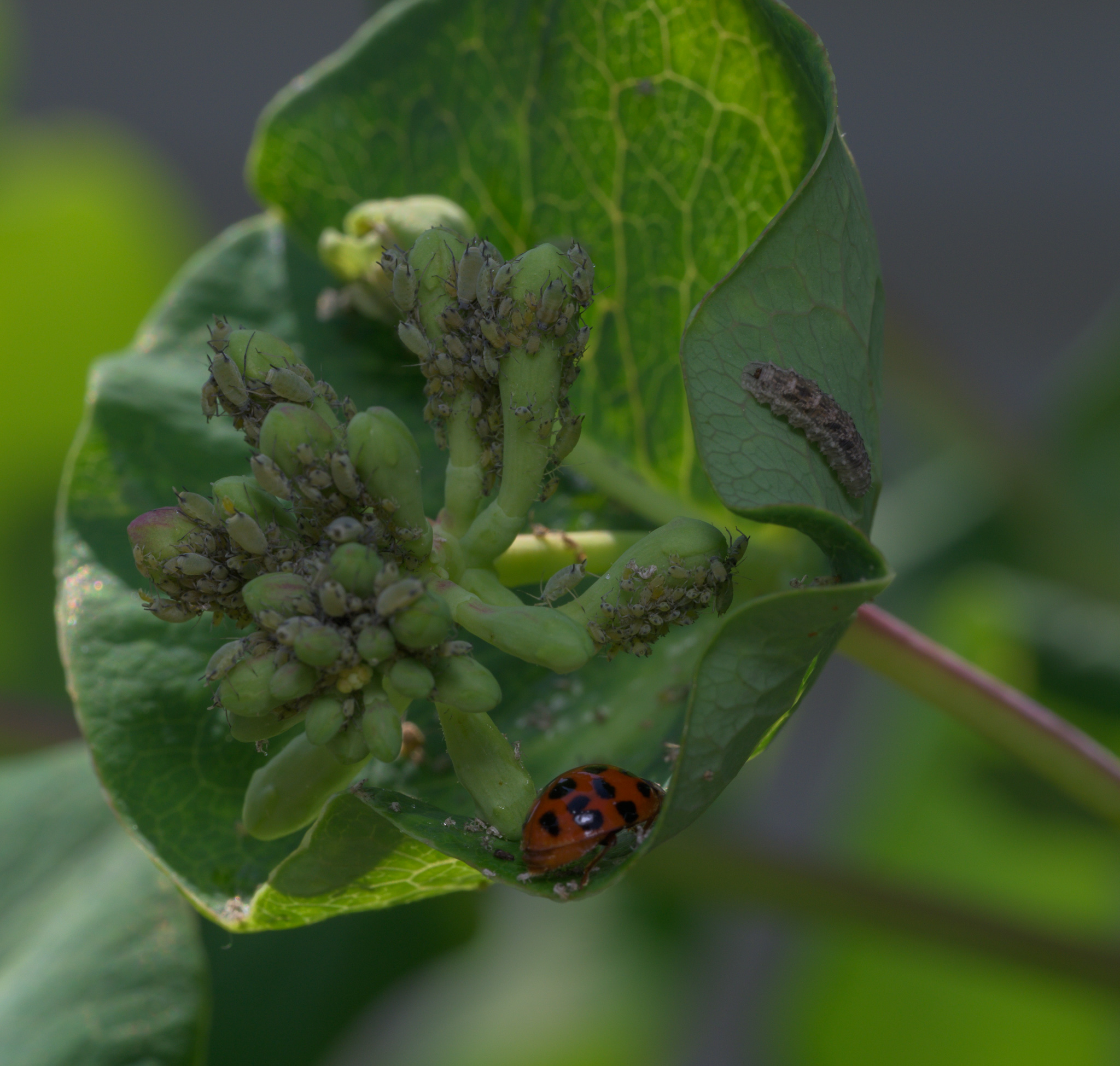
I think about gardens as living systems: soil, plants, water, microbes, insects, and people all working together.
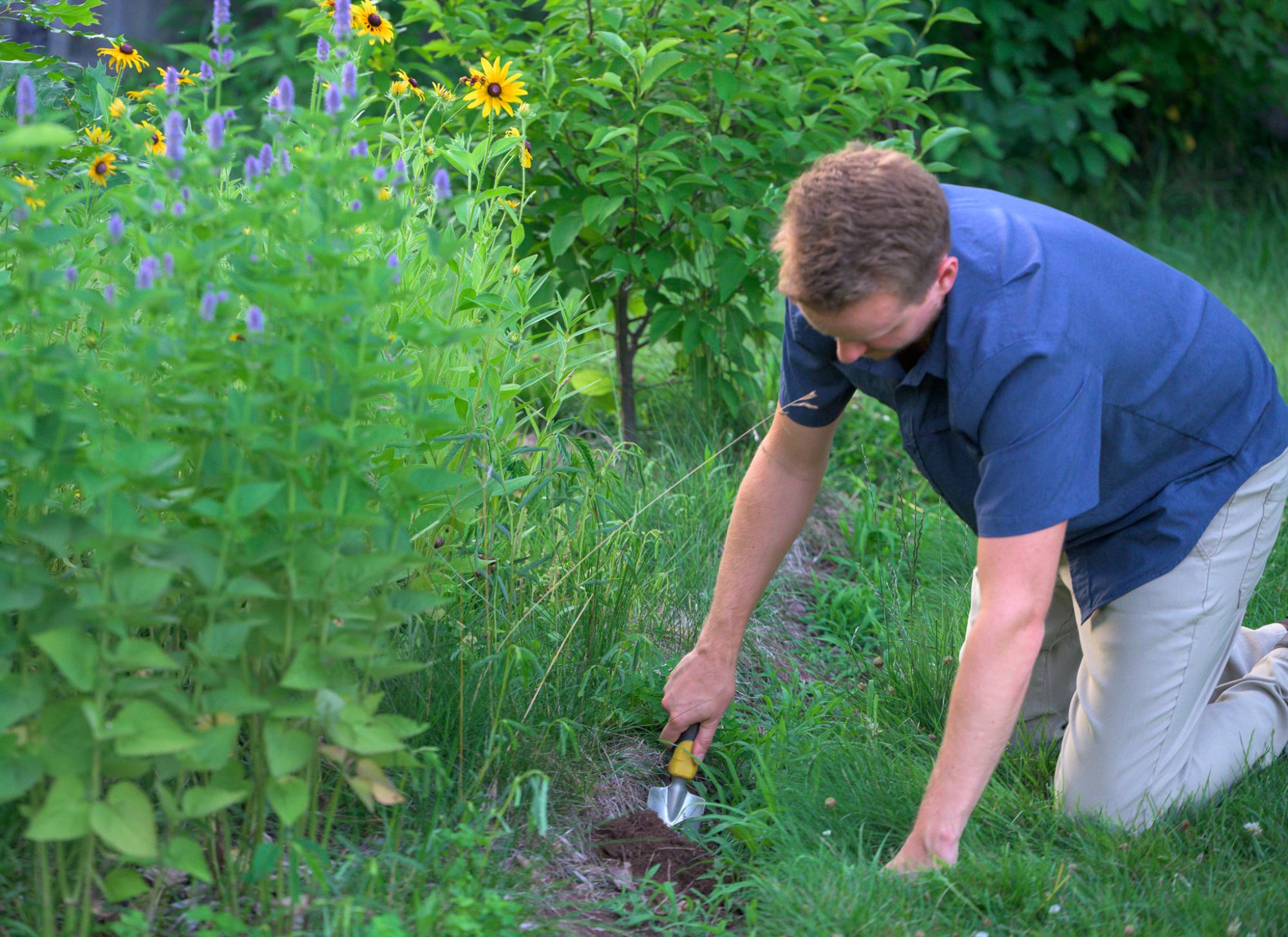
I come to this work as a scientist. I hold a PhD in microbiology from the University of Connecticut, I'm an Accredited Organic Land Care Professional through the Northeast Organic Farming Association (NOFA), and I hold a Certificate in Native Plant Studies from the Native Plant Trust.
That background is also where the name comes from. Edaphic means "of the soil," and healthy soil is where every good garden starts. Most landscape problems people describe to me (struggling shrubs, weed pressure, drainage trouble, a bed that just looks tired) are downstream of what's happening below the surface. So that's where I start.
My goal is to make gardening approachable and fun, so you feel confident about what to plant, where to put it, and how to care for it. Not intimidated. Not buried in plant lists. Just clear, practical direction, rooted in how plants actually live.
Beyond client work, I serve as a Plant Conservation Volunteer (PCV) with the Native Plant Trust — part of a regional community-science network that surveys New England's wild places to monitor rare plant populations, collect seed for the trust's seed bank, and help protect the region's most imperiled native flora.
Of, produced by, or influenced by the soil. From the Greek édaphos, "ground" or "floor."
A garden is what grows above ground. Edaphic is everything underneath (the structure, the chemistry, the microbes, the moisture) that makes the garden possible. Start there and the rest gets easier.
University of Connecticut
Doctoral research in microbial ecology: the communities of bacteria and fungi that drive soil and plant health.
NOFA · AOLCP
The Northeast Organic Farming Association's professional accreditation in ecological, chemical-free landscape practice.
Native Plant Trust
A certificate in native flora, plant communities, and ecological horticulture from New England's native plant authority.
Member
Ongoing professional development with the leading regional network for ecological landscape practice in the Northeast.
The plants you choose set the table. The soil they grow in is the meal. The insects, birds, and people who arrive are the conversation.
My job is to set up that relationship well: match plants to the conditions they want, build soil so they can actually use it, leave room for wildness without letting things get away from you, and give you the language to keep it going.